Reading the water in fishing games
Fishing games often hide useful clues in the environment itself. This guide explains how structure, depth, weather and time of day can help you choose where to cast.
Why location matters
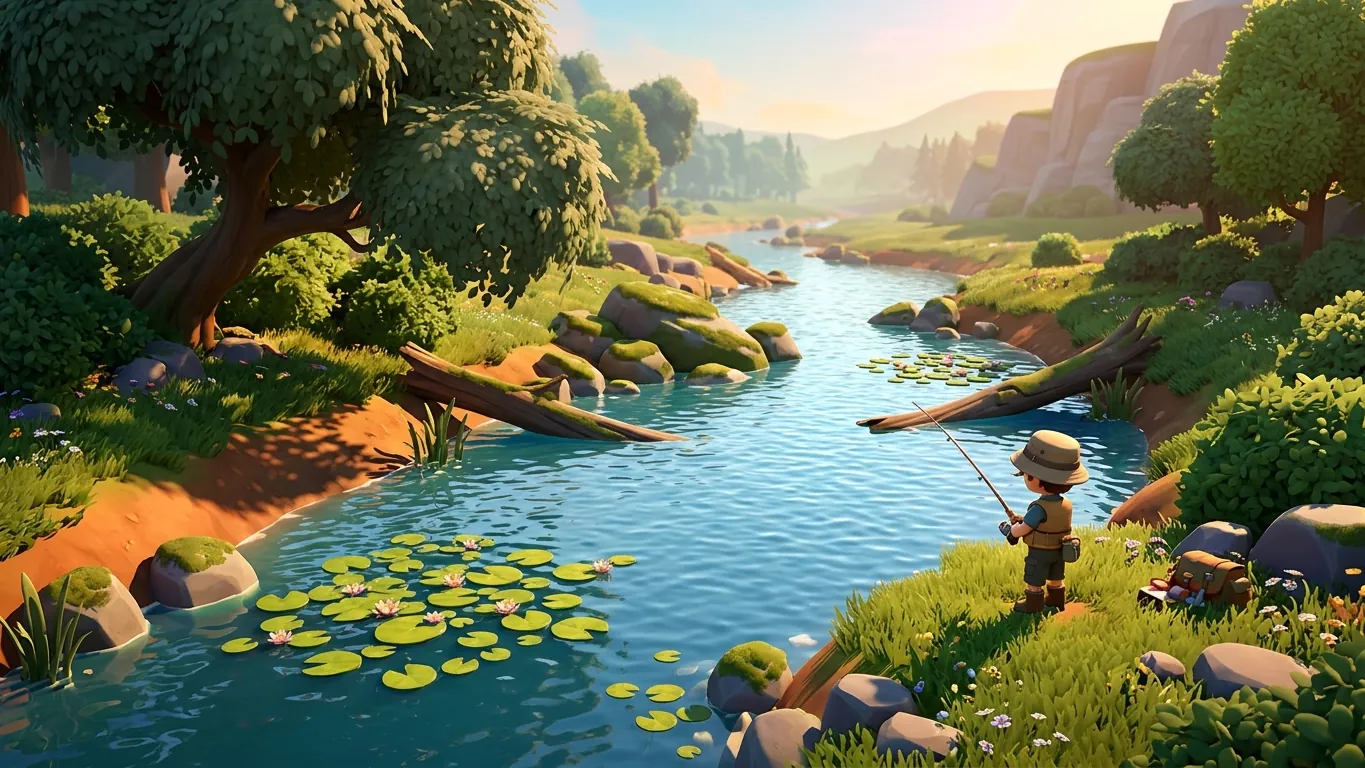
In many fishing games, fish are not spread evenly across the water. Developers often place them according to simplified versions of real behaviour, so certain areas are more productive than others. A player who casts randomly may wait a long time, while a player who reads the environment can find activity much sooner.
The good news is that most games are designed to be readable. Visual cues such as ripples, shadows, vegetation and changes in water colour are usually there on purpose. Learning to notice them turns fishing from a waiting game into a small puzzle you solve each time you arrive at a new spot.
Structure and cover
Structure means anything that breaks up the open water: rocks, docks, fallen trees, weed beds, bridge supports or sudden drop-offs. In many games, fish are more likely to be found near these features, so casting alongside them is a sensible first move.
Try working the edges of cover rather than casting directly into the middle of it. Some games include a chance of snagging your line on underwater obstacles, and edges often give you the benefit of the structure with less risk. If an area produces nothing after several casts, move on and try a different type of cover.
Depth and water colour
Many fishing games represent depth through water colour, with lighter shades near the shore and darker tones further out. Some include a depth finder or sonar tool that shows the bottom and nearby fish. If your game offers such a tool, it is often one of the most useful pieces of equipment you can use.
Without a tool, watch for colour changes as clues to where shallow flats meet deeper channels. These transition zones are frequently worth exploring. Also pay attention to how deep your lure or bait sinks, because a perfect spot does little good if your offering stays above or below where the fish are holding.
Weather and time of day
Games with dynamic weather and day-night cycles often tie fish activity to these conditions. Some species may only appear at night, in the rain or during a particular season. Others might move closer to the surface in the early morning and retreat to deeper water during the brightest part of the day.
If your game includes a fish encyclopedia or journal, check it for hints about preferred conditions. When a species seems impossible to find, the solution is often to return at a different hour or wait for a change in weather rather than to keep casting in the same place.
Visible signs of activity
Finally, look for direct signs of fish. Common examples in games include splashes, rings on the surface, bubbles, birds diving or shadows moving under the water. These signals are often the clearest invitation to cast.
When you see activity, aim slightly ahead of where the fish seem to be moving rather than directly on top of them. In many games, a lure landing right on a fish can scare it away, while a cast placed nearby gives it a chance to notice and approach. Over time, combining these visual cues with what you know about structure, depth and conditions will make your sessions far more productive.
Related articles
 Picking the right lure or bait
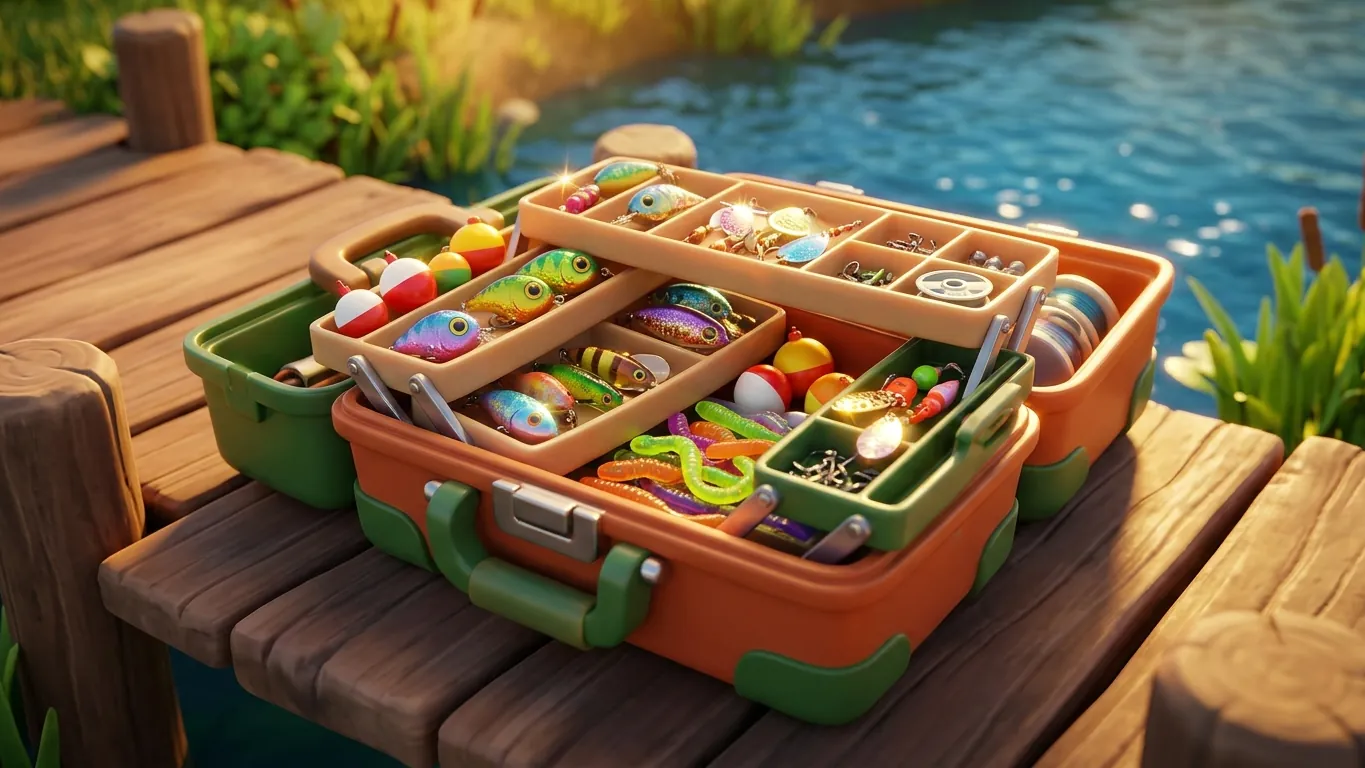
A practical look at lure and bait choices in fishing video games, covering colour, depth, retrieve speed and how to experiment when fish ignore you.
Read more
 Managing line tension during the fight
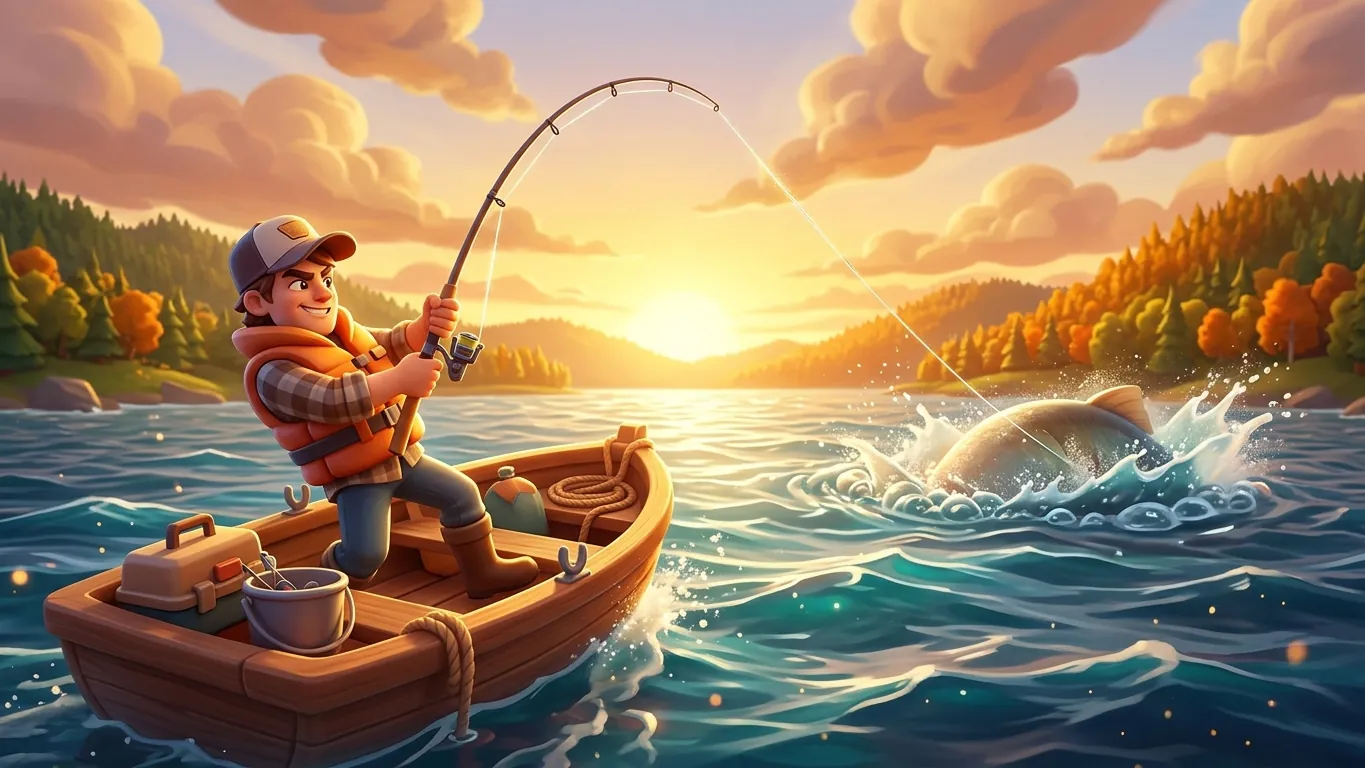
Understand how line tension works in fishing video games and learn calm, practical habits for reeling in larger fish without snapping the line.
Read more
 Finding your rhythm on the virtual court
Learn why timing is central to tennis video games and how to build a steady rhythm for groundstrokes, volleys and lobs through focused practice.
Read more