Two genres, one set of habits
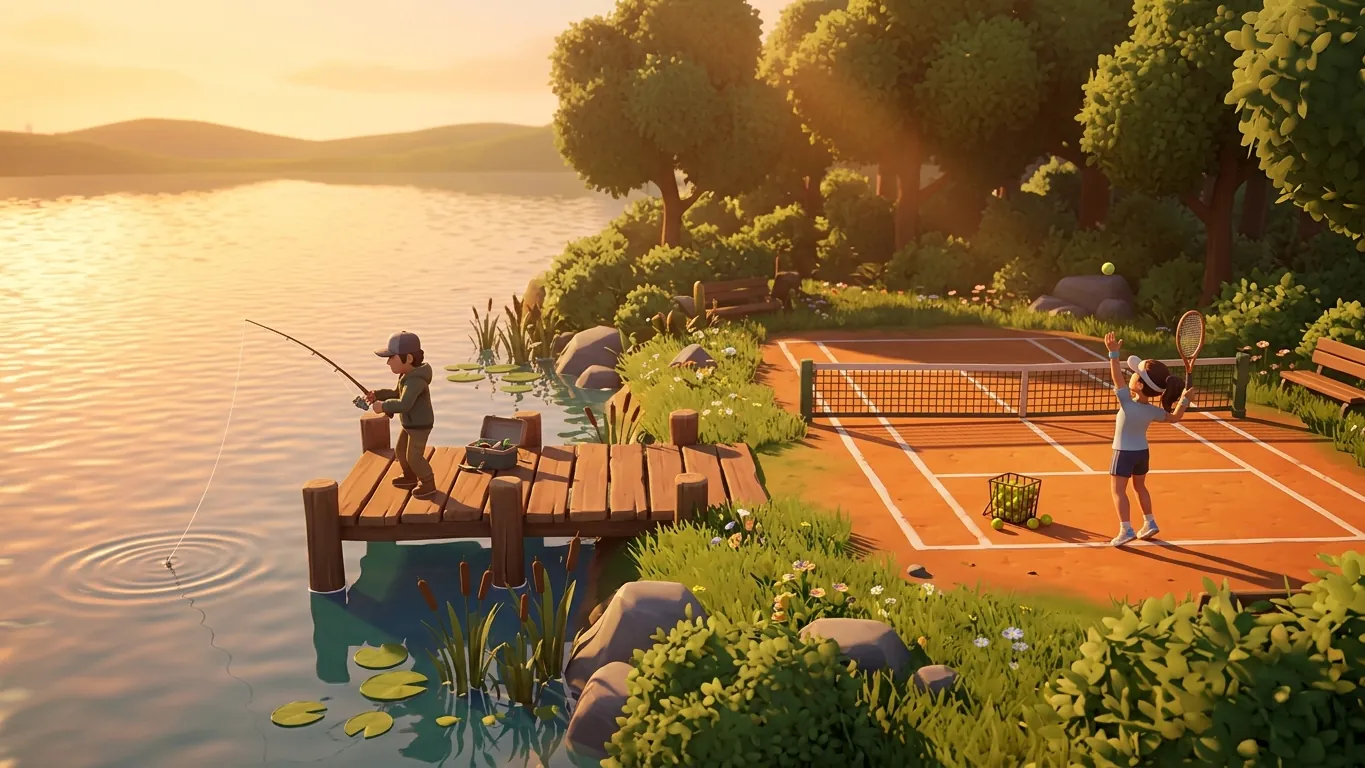
At first glance, a quiet fishing game and a fast tennis match seem to have little in common. In this opinion piece, we look at the shared skills and why players often enjoy both.
Different paces, similar rewards
Fishing games are often described as relaxing. You sit by the water, cast, wait and react. Tennis games are usually seen as energetic, with quick rallies and split-second decisions. On the surface, these are opposite experiences.
Yet in our view, the two genres reward remarkably similar habits. Both ask players to watch carefully, respond at the right moment and stay calm when things go wrong. The pace is different, but the underlying satisfaction often comes from the same place: the feeling of a well-timed action producing a clean result.
Timing is everything
In a fishing game, setting the hook too early pulls the bait away, and setting it too late lets the fish escape. In a tennis game, swinging too early sends the ball wide, and swinging too late sends it long. In both cases, success depends on a narrow window.
This shared reliance on timing may explain why some players enjoy switching between the two. Practising patience while waiting for a bite can make you more aware of rhythm on the court, and the quick reactions built in tennis can sharpen your response to a sudden strike on the line.
Reading the environment
Both genres also reward observation. In fishing games, players read the water for structure, depth and signs of activity. In tennis games, players read their opponent's position, the ball's spin and the space left open on the court.
In each case, the game is giving information through visual and audio cues, and the player who notices those cues gains an advantage. We find this one of the most enjoyable aspects of both genres, because it turns play into active attention rather than repetition.
Handling frustration
Losing a large fish at the last moment and losing a long rally on an unforced error can feel surprisingly similar. Both genres include moments of disappointment that come from small mistakes rather than bad luck.
We think the healthiest way to approach these moments is the same in both cases: pause, think about what happened and try again with one small adjustment. Fishing and tennis games both tend to reward this reflective approach far more than trying harder in the same way.
Why we cover both
This blog brings fishing and tennis together because we see them as complementary. One encourages slowing down, the other encourages sharp focus, and both build patience, observation and timing. Players who enjoy one often find something to appreciate in the other.
Of course, this is an opinion rather than a rule. Some players will always prefer the lake to the court or the other way around. If you have your own view on what connects or separates these genres, we would be glad to hear it through the contact form.
Related articles
 The core mechanics of fishing games
New to fishing video games? Learn the core loop of casting, waiting, hooking and reeling, and how progression usually works in the genre.
Read more
 Reading the water in fishing games
Learn how fishing games signal where fish gather, from shoreline structure and depth to weather and time of day, so your casts land in better spots.
Read more