Practising with purpose
Short, focused practice tends to be more useful than long, unfocused sessions. This article offers a simple routine you can adapt to both fishing and tennis games.
Why structure helps
Many players improve at sports games simply by playing a lot. That works, but it can be slow, and it can also reinforce bad habits. A little structure makes practice more efficient. Instead of playing until you feel tired, you set a small goal, work on it and then review how it went.
This approach is not about turning a hobby into a chore. It is about making the time you spend more satisfying. When you can see a specific skill improving, the game often feels more rewarding, whether you are casting by a lake or rallying from the baseline.
A five-step routine
This routine can fit into a short session and works for both fishing and tennis games.
- 01
Warm up
Spend a few minutes playing casually to get used to the controls again. Do not focus on results yet.
- 02
Choose one skill
Pick a single area, such as casting accuracy, hooksets, serve placement or volley timing.
- 03
Isolate it
Use a practice mode, a quiet fishing spot or a low difficulty setting so you can repeat that skill many times.
- 04
Apply it
Play a normal session or match and try to use the skill in real situations.
- 05
Review
Think about what improved and what still feels difficult, and note what to focus on next time.
Applying the routine to fishing games
In fishing games, a practice session might focus on casting accuracy. Choose a spot with clear structure, such as a dock or a line of reeds, and try to land your bait alongside it repeatedly. Notice how often you hit your target and adjust your timing or power as needed.
Another session could focus on the fight. Target a common, medium-sized fish and concentrate only on managing tension. Pay attention to when the fish runs and when it rests. After a few catches, move to a location with larger fish and see whether the habit holds under more pressure.
Applying the routine to tennis games
In tennis games, practice mode is often the best place to isolate a skill. If your game has a ball machine or drill option, use it to repeat a single shot type. Work on cross-court forehands until they land deep and consistently, then switch to backhands or volleys.
For serves, pick one target area and aim for it repeatedly before moving on. When you feel more confident, play a match against a computer opponent at a comfortable difficulty and try to use what you practised. The goal is not to win every point but to see the skill appear naturally during play.
Keeping it enjoyable
A routine only works if you keep coming back to it. Keep sessions short enough that they feel manageable, and allow yourself casual play time as well. Some days you may want to practise; other days you may simply want to relax by the water or play a friendly match. Both are worthwhile.
If a skill feels stuck, try changing the setting, the game mode or the time between sessions. Progress in sports games is rarely a straight line, and patience with yourself is part of the process.
Related articles
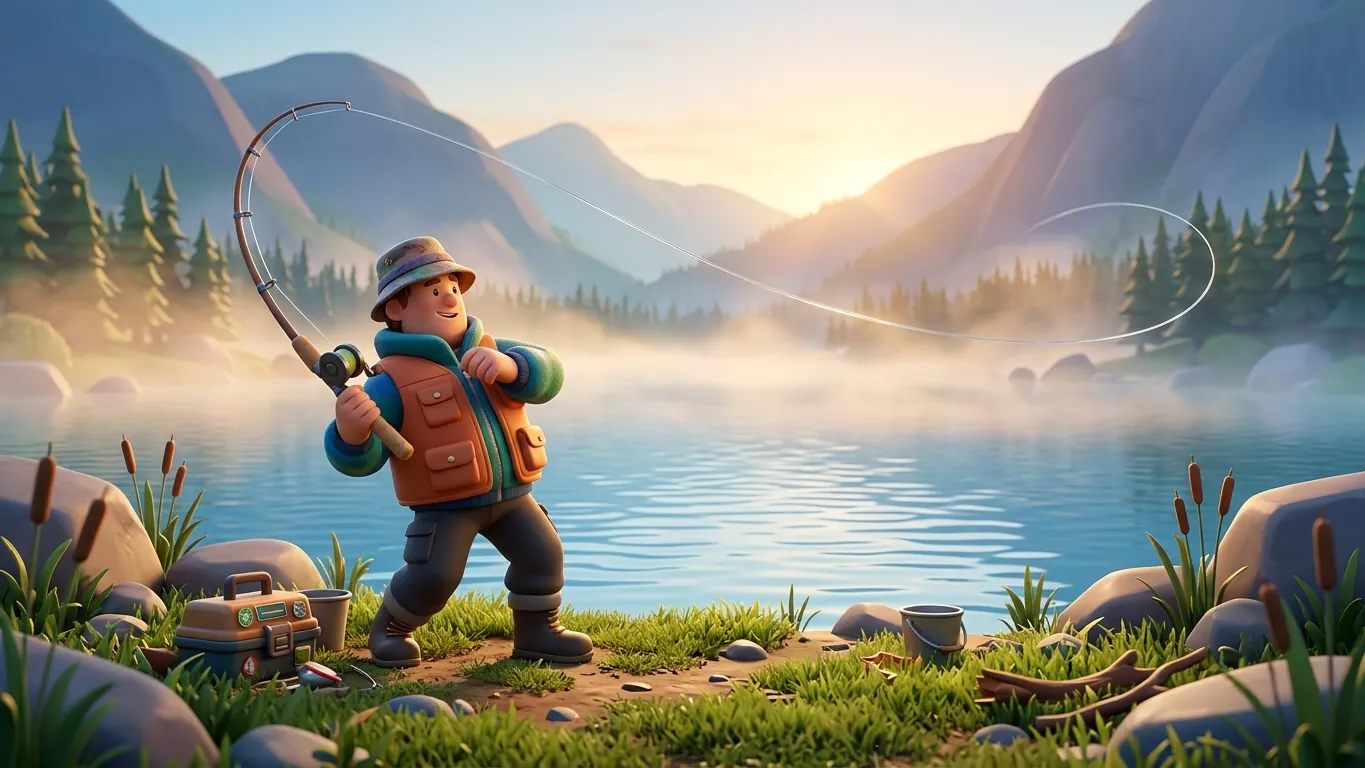 The core mechanics of fishing games
New to fishing video games? Learn the core loop of casting, waiting, hooking and reeling, and how progression usually works in the genre.
Read more
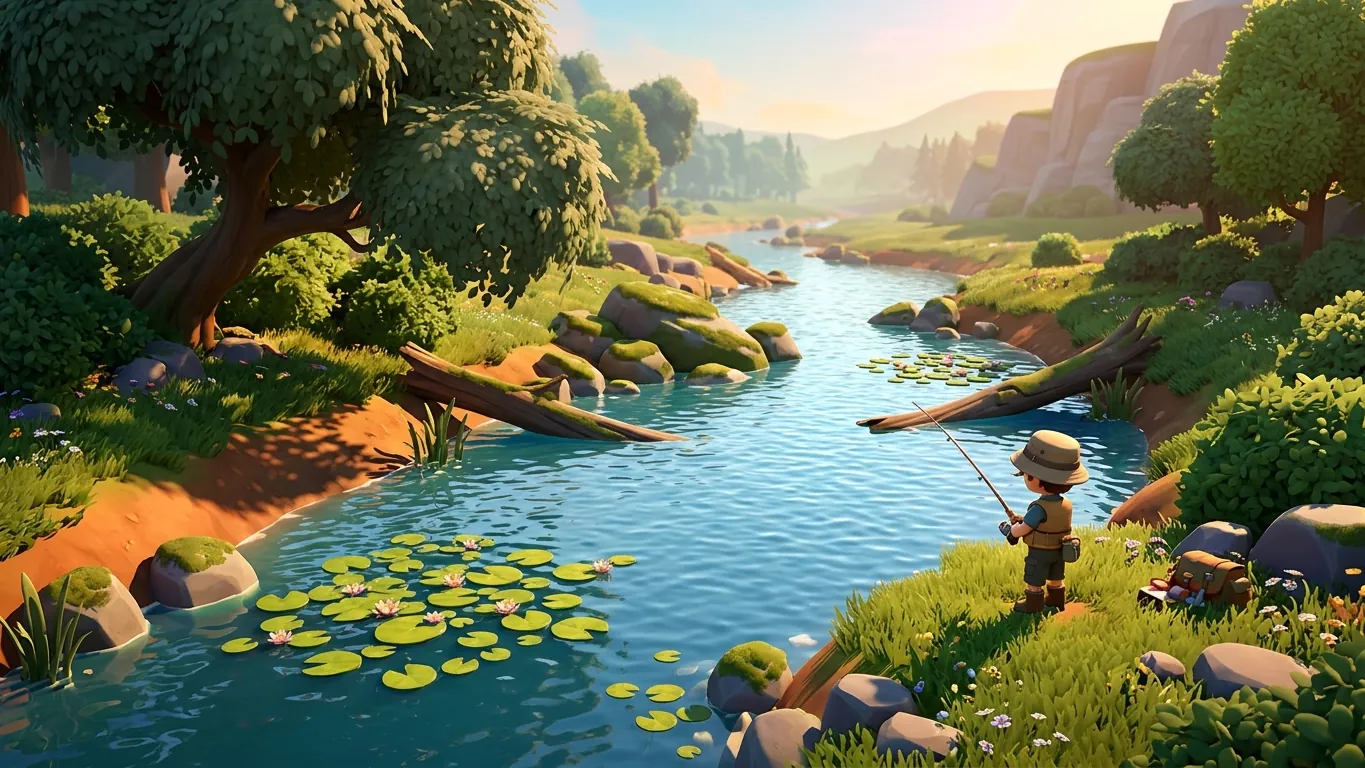 Reading the water in fishing games
Learn how fishing games signal where fish gather, from shoreline structure and depth to weather and time of day, so your casts land in better spots.
Read more
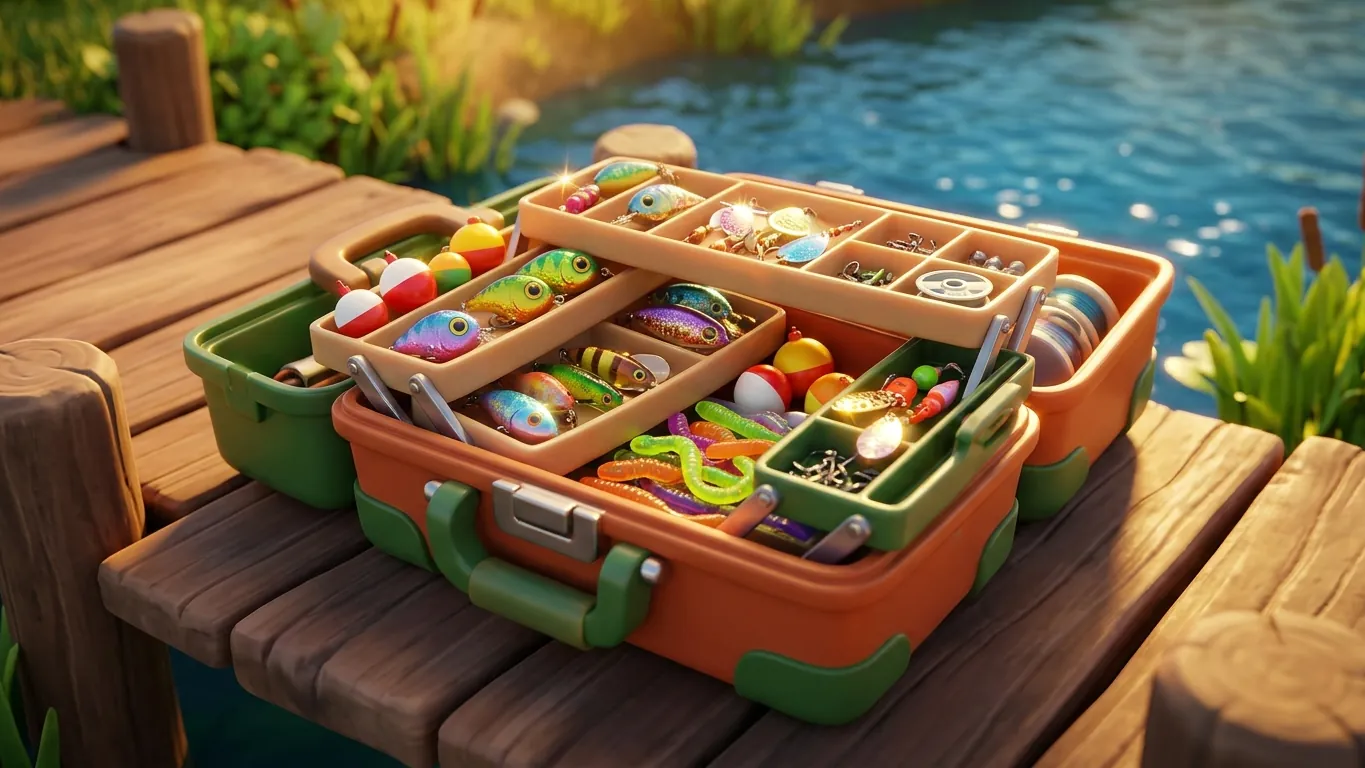 Picking the right lure or bait
A practical look at lure and bait choices in fishing video games, covering colour, depth, retrieve speed and how to experiment when fish ignore you.
Read more