Starting every point on your terms
The serve and the return set the tone for each point. This article covers practical ways to vary your serve and handle your opponent's serve with more confidence.

Why the serve matters
The serve is the only shot in tennis where you have full control over the starting conditions. In most tennis video games, this means you can choose placement, spin and pace without reacting to anything your opponent does. A well-placed serve can push the opponent out of position and give you an easier second shot.
Many games use a power meter or timing system for the serve, often linked to the ball toss. Learning this system is the first step. Spend time in practice mode serving to each target area until you can land the ball where you intend most of the time.
Variety over pure power
It is tempting to hit every first serve as hard as possible. In many games, however, a fast serve that always goes to the same spot becomes predictable, especially against human opponents. Mixing direction and pace often works better than relying on speed alone.
Try alternating between serves aimed wide, into the body and down the middle. If your game supports different spin types, include those as well. The aim is to keep the receiver guessing. A slightly slower serve to an unexpected spot can be more effective than a fast one to a spot they anticipated.
The second serve
Most tennis games follow the real rule that two faults in a row lose the point. This makes the second serve a different challenge. The goal shifts from creating an advantage to simply getting the ball in safely while avoiding an easy attack from the receiver.
A common approach is to use more spin and a little less power on the second serve. If your game's serve meter rewards accuracy, focus on a comfortable timing rather than pushing for the maximum. Reliability here can save many points over a match.
Returning with patience
Returning serve is largely reactive. Fast serves leave little time, so the main goal is often just to get the ball back deep and in play. Trying to hit a winner on every return usually leads to errors.
Positioning helps. Many games let you move before the serve is struck. Standing a little further back gives you more time against fast serves, while stepping in can help against slower ones. Watch for patterns in your opponent's serve placement and adjust gradually throughout the match.
Learning from patterns
Both serving and returning reward attention to patterns. On serve, notice which placements tend to draw weak replies and use them at key moments without becoming predictable. On return, notice where your opponent prefers to serve under pressure.
Computer opponents in some games also show tendencies at different difficulty levels. Observing these is not about exploiting a flaw but about playing thoughtfully. Whether your opponent is a friend on the couch or an online player, the habit of watching and adjusting is one of the most rewarding parts of tennis games.
Related articles
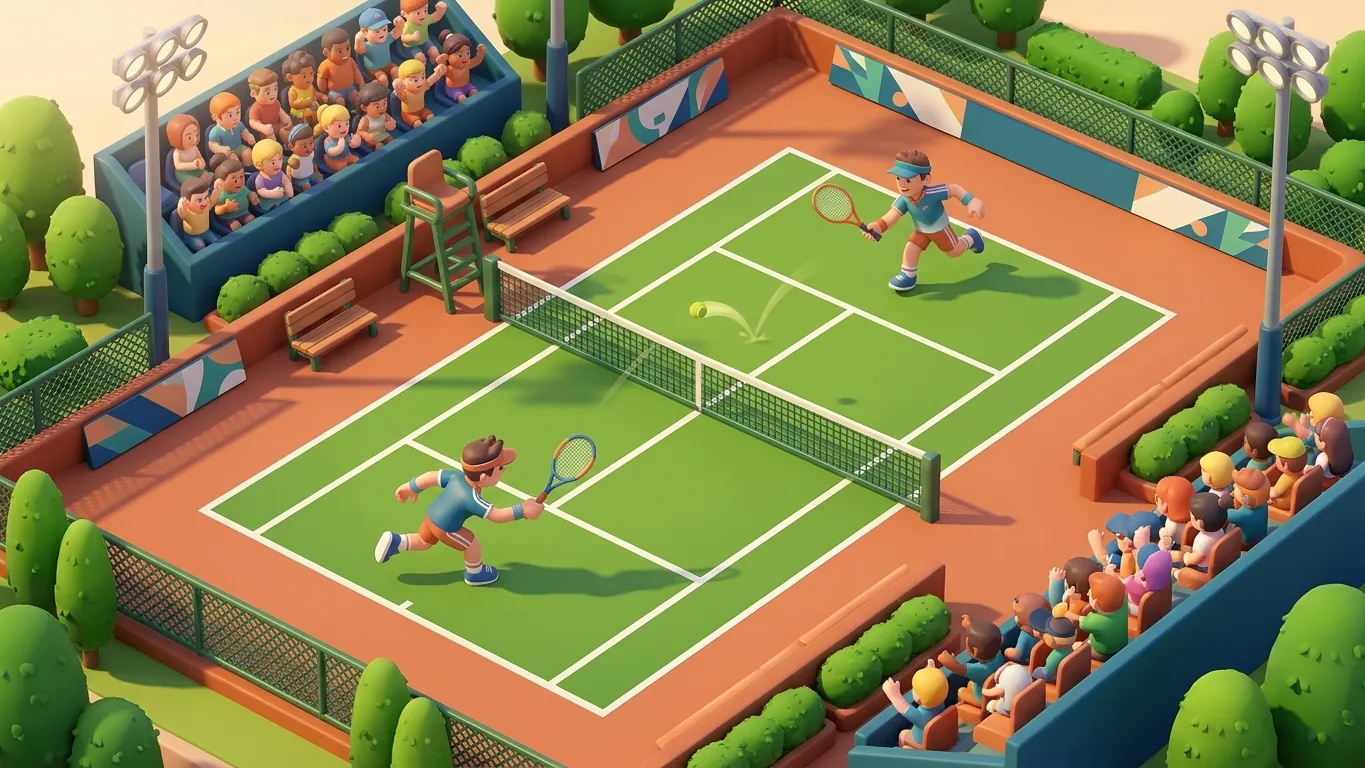 Where to stand and what to hit
Improve your tennis video game strategy with clear ideas on court positioning, recovering to the centre, approaching the net and choosing shots wisely.
Read more
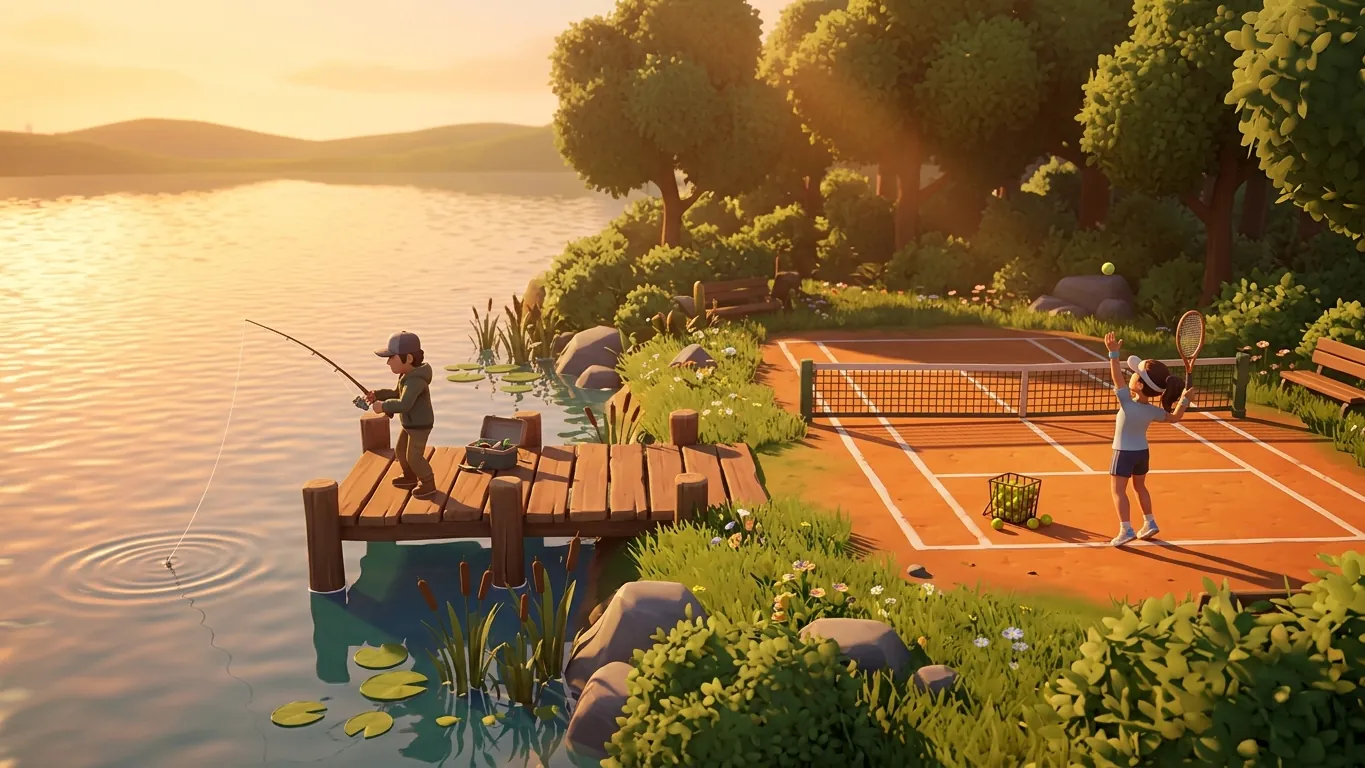 Two genres, one set of habits
An opinion piece on why fishing and tennis video games, despite their different pace, reward the same habits of patience, observation and timing.
Read more
Practising with purpose
Build a short, focused practice routine for fishing and tennis video games, with steps for warming up, isolating one skill and reviewing your progress.
Read more